360° Feedback Surveys: A Practical Guide for Executive Teams
A well-designed 360° feedback process can transform how a leader understands themselves and how their organisation sees them. A poorly designed one can do real damage.
Why 360° Feedback Works — When It Is Done Well
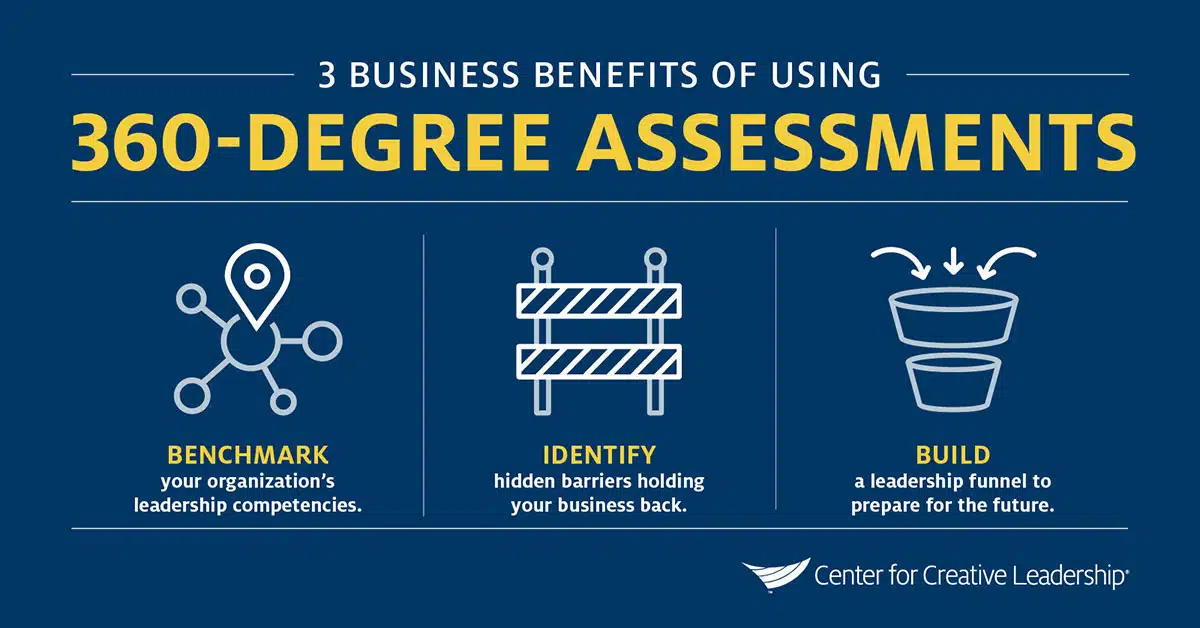
The premise of 360-degree feedback is simple: leaders receive a more complete and accurate picture of their performance when feedback comes from multiple sources rather than a single evaluator. A CEO who receives feedback only from their board chair is getting one perspective. A CEO who receives structured feedback from their board, their direct reports, their peers, and key external stakeholders is getting a rounded view of how their leadership is actually experienced across the organisation.
Research consistently shows that leaders who receive multi-source feedback and act on it improve their effectiveness over time. The challenge is that 360-degree feedback processes are frequently designed and administered in ways that undermine their value. Poorly designed surveys produce data that is too vague to be actionable. Poorly facilitated feedback conversations produce defensiveness rather than insight. And processes that lack confidentiality protections produce responses that are too guarded to be honest.
Designing a Survey That Produces Useful Data
The most important design decision is what to measure. Generic competency frameworks produce generic results. A 360-degree survey that asks respondents to rate a leader on 'communication' or 'strategic thinking' on a five-point scale will produce data, but it will rarely produce insight.
The most effective surveys are anchored to the specific context of the organisation and the specific expectations of the role. They ask about observable behaviours rather than abstract qualities. They include open-ended questions that allow respondents to provide context and examples. And they are designed to produce data that can be translated directly into development actions.
Signal and Strategy designs 360-degree surveys in close consultation with the organisation and the survey subject, ensuring that the questions reflect the organisation's values and the leader's specific development goals.
Selecting Respondents
The selection of respondents is as important as the design of the survey. A respondent group that is too small produces unreliable data. A respondent group that is too homogeneous produces a one-dimensional picture. And a respondent group that is selected by the survey subject without any independent oversight is vulnerable to selection bias.
Best practice involves the survey subject nominating respondents from each stakeholder group, with the facilitator reviewing the nominations to ensure appropriate breadth and balance. Respondents should include people who know the leader well enough to provide meaningful feedback, but the group should not be limited to the leader's supporters.
Delivering Feedback That Leads to Change
The feedback report is not the end of the process. It is the beginning. A 360-degree feedback report that is handed to a leader and left to be read in isolation rarely produces meaningful change. The data needs to be interpreted, contextualised, and connected to specific development actions.
A skilled facilitator plays a critical role in this process. The feedback debrief conversation should help the leader understand the patterns in the data, identify the two or three development priorities that will have the greatest impact, and develop a concrete plan for acting on the feedback. It should also help the leader understand how to communicate with their team about the process and its outcomes, which is essential for maintaining trust and demonstrating genuine commitment to development.
360° Feedback as Part of a CEO Performance Review
360-degree feedback is a powerful complement to a formal CEO performance review. While the performance review assesses the CEO's performance against agreed objectives, the 360-degree process provides a richer picture of how the CEO's leadership is experienced by those around them. Together, they give the board a comprehensive view of CEO performance that neither process can provide alone.
Signal and Strategy offers 360-degree feedback surveys as a standalone service and as an integrated component of CEO performance review processes. Our surveys are designed, administered, and facilitated by experienced practitioners with deep knowledge of the NFP, local government, and SME sectors.
Talk to us about a 360° feedback process for your executive team.
Contact UsFound this useful? Share it with your board or leadership team.
Share on LinkedInJoin the Conversation
Share your thoughts, questions, or experience on this topic. All perspectives are welcome.
No comments yet. Be the first to share your thoughts.